Product Discovery

Find the Right Problem, Build the Right Product

We help you understand what users need, identify valuable opportunities, and decide what’s worth building.
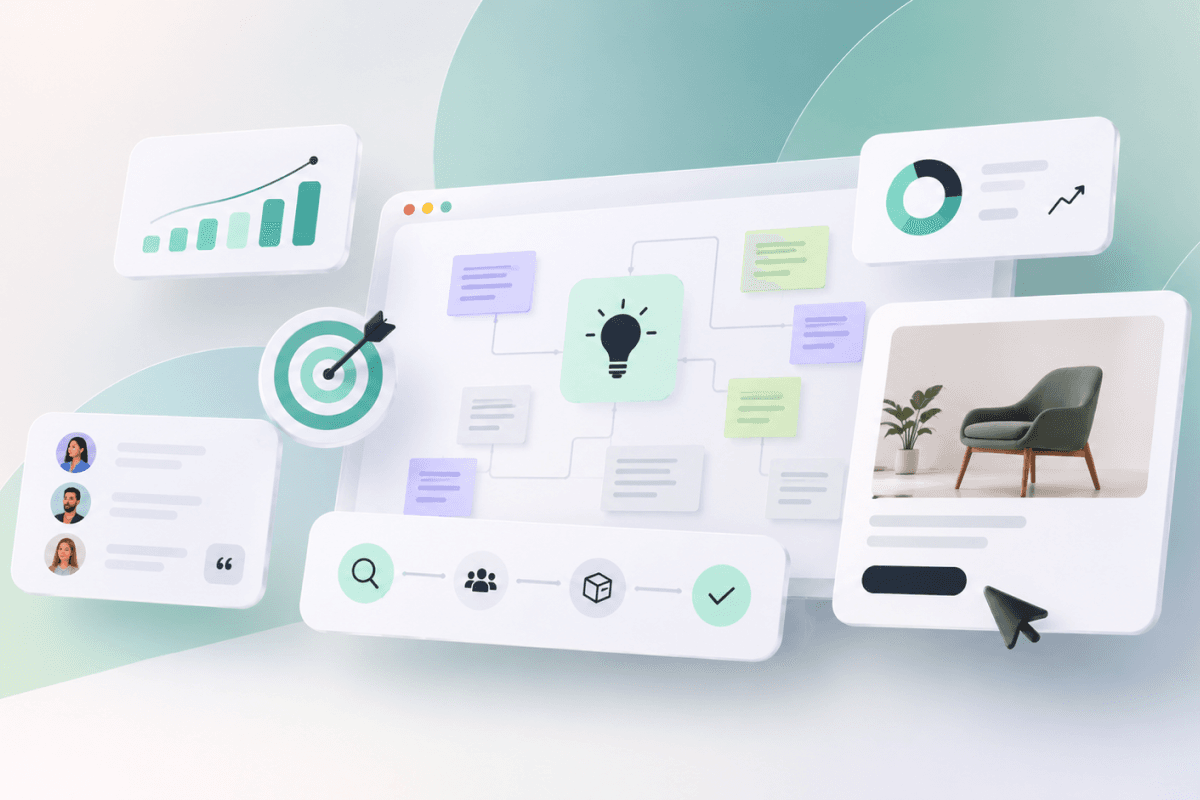
Product Discovery
We explore
User needs, market opportunities, product direction
We use
User research, market analysis, collaborative workshops, validation methods
You get
A clear product direction, prioritized scope, a practical roadmap
For
New product ideas, early-stage startups, Existing products exploring new opportunities

What We Explore

Turn Uncertainty into a Clear Product Direction

  • 01

    User Needs and Behaviors

    We explore who your users are, what they need, and how they currently solve the problems your product aims to address. This helps uncover unmet needs, frustrations, and expectations.

  • 02

    Market and Competitive Landscape

    We examine the market, relevant competitors, and alternative solutions to understand customer expectations, identify gaps, and uncover opportunities for differentiation.

  • 03

    Business Goals and Product Opportunities

    We connect user needs with business objectives to identify opportunities that create value for both. We also consider the priorities and constraints that shape product decisions.

  • 04

    Product Scope and Feasibility

    We explore potential solutions, essential features, and technical considerations to define what belongs in the initial product scope and what can come later.

The Discovery Process

From an Early Idea to a Clear Product Direction

  1. Stakeholder Alignment

    Align on the vision, goals, and challenges

    We start by understanding your idea, business objectives, and expectations. Together, we clarify the challenge, define what success means, and identify the key questions discovery needs to answer.

    Key steps

    • Understand the product vision and business objectives
    • Identify target audiences and initial assumptions
    • Discuss the business model and success measures
    • Review available resources, timelines, and constraints
    • Define discovery goals and scope

    Deliverables

    Stakeholder summaryInitial product briefDiscovery goals and scope
  2. Market and User Research

    Understand the market and the people you're building for

    We explore the market, competing solutions, and user needs to understand the context around your product idea. This helps reveal customer expectations, existing alternatives, unmet needs, and opportunities worth exploring.

    Key steps

    • Review the market and relevant industry trends
    • Identify direct and indirect competitors
    • Analyze existing products and alternative solutions
    • Define research questions and target user groups
    • Review existing user data and conduct interviews or surveys when needed
    • Identify user needs, pain points, and market gaps

    Deliverables

    Market and competitor analysisUser research findingsKey user needs and opportunity areas
  3. Problem Definition and Opportunity Mapping

    Focus on the problems worth solving

    We bring research findings and business goals together to identify the problems that matter most. By turning insights into clear problem statements, we help your team agree on where the product can create meaningful value.

    Key steps

    • Synthesize research and stakeholder insights
    • Identify recurring user problems and unmet needs
    • Define and refine problem statements
    • Map opportunities against business objectives
    • Prioritize the problems and opportunities worth pursuing

    Deliverables

    Defined problem statementsOpportunity mapPrioritized discovery insights
  4. Solution Exploration

    Explore different ways to solve the problem

    With the problem clearly defined, we explore possible solutions before committing to one direction. Through collaborative ideation and early concept development, we shape potential product experiences and identify the features that matter most.

    Key steps

    • Facilitate ideation and solution workshops
    • Explore alternative product concepts
    • Define core user journeys and flows
    • Outline essential features and interactions
    • Create early sketches or wireframes when useful

    Deliverables

    Product concepts and solution directionsCore user flowsInitial feature set and experience concepts
  5. Validation and Feasibility

    Test key assumptions before moving forward

    We assess whether the proposed solution addresses real user needs and fits the business and technical context. Depending on the project, this may include concept or prototype testing, user feedback, and input from technical specialists.

    Key steps

    • Identify the riskiest product assumptions
    • Test concepts or prototypes with target users when needed
    • Gather feedback and assess user understanding
    • Review technical feasibility and dependencies with relevant specialists
    • Refine the product direction based on findings

    Deliverables

    Validation findingsRefined product conceptKey risks and feasibility considerations
  6. Product Strategy and Roadmap

    Define what to build first and what comes next

    We turn discovery findings into a focused product plan. By prioritizing features based on user value, business impact, and feasibility, we define the initial product scope and outline the next stages of development.

    Key steps

    • Prioritize features based on value and effort
    • Define the MVP scope, where applicable
    • Identify dependencies and implementation considerations
    • Organize features into phases
    • Outline product milestones and next steps
    • Define relevant success measures

    Deliverables

    Prioritized feature listInitial product scope and requirementsProduct roadmapRecommended next steps

FAQ

Questions about Product Discovery

We're here to bring your ideas to life.

Let’s start
© youx Studio 2017 - 2026
Product Discovery | youx Studio